Welcome to Steffi & Natasha
31st of August 2026
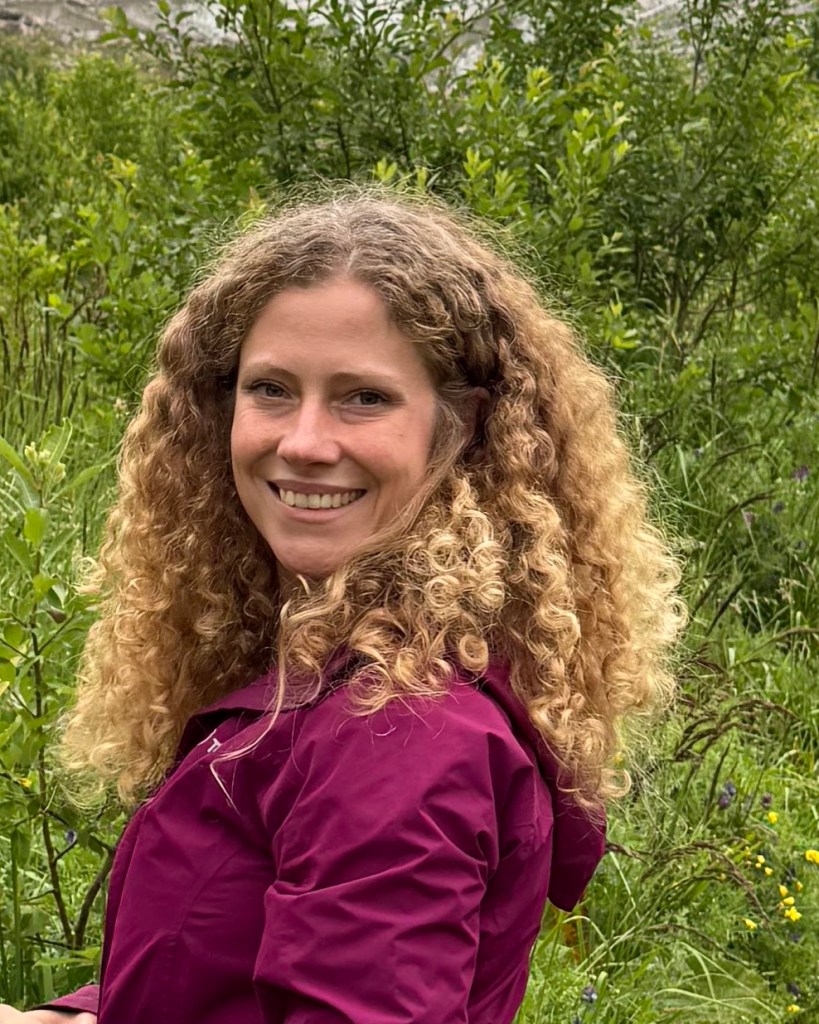
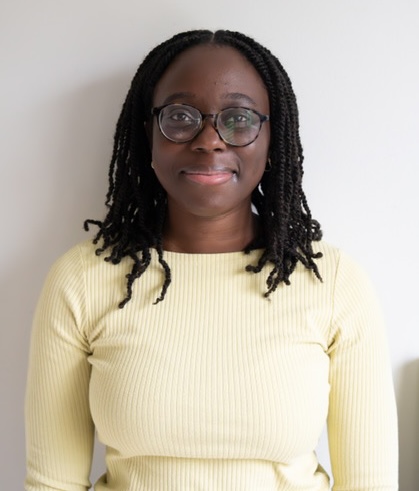
Steffi and Natasha just joined our group for their 60 Hp Master theses.
Steffi will investigate the role of STARHIPS (selfish genetic elements) in the loss of sexual reproduction in Icmadophilaceae lichen forming fungi. Natasha (Tash) will investigate how photobiont communities of lichens growing around the iron-ore mine from Kiruna (LKAB) are affected by pollution.
Ester & Agnes, we will miss you so much!
28th of August 2026
It was time to say good bye to Agnes and Ester who just started their master in Bioinformatics – Agnes and Ecotoxicology- Ester. We wish them good luck with their studies!
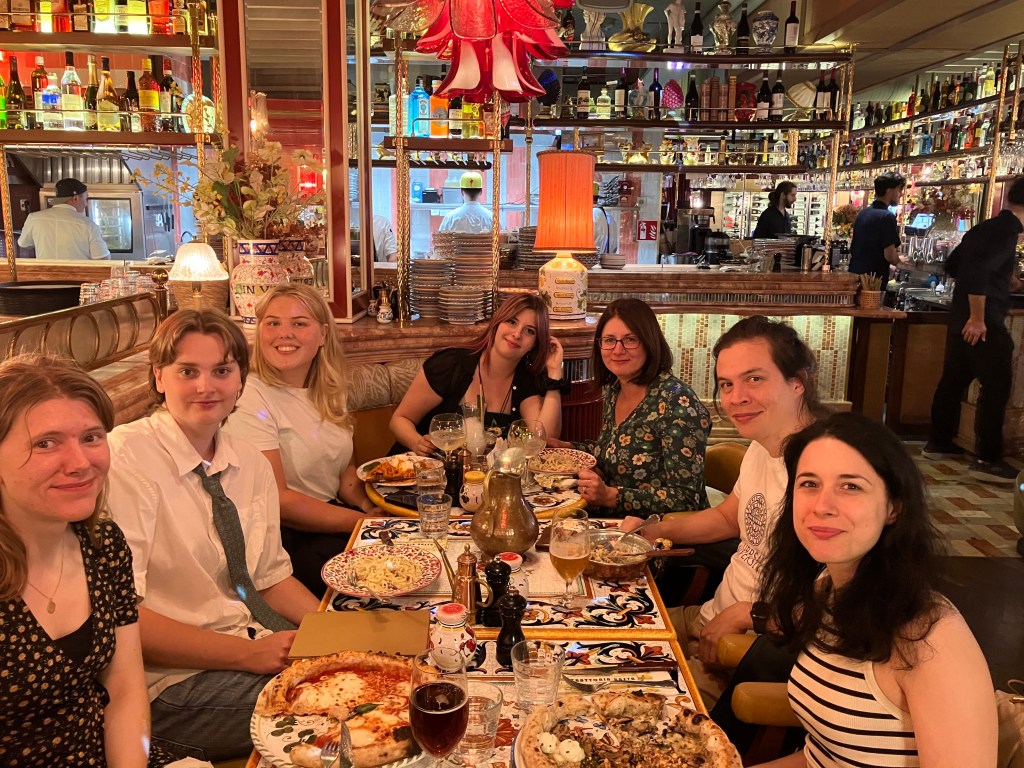
IAL 10 attendance was a success !
1-6 of August 2026
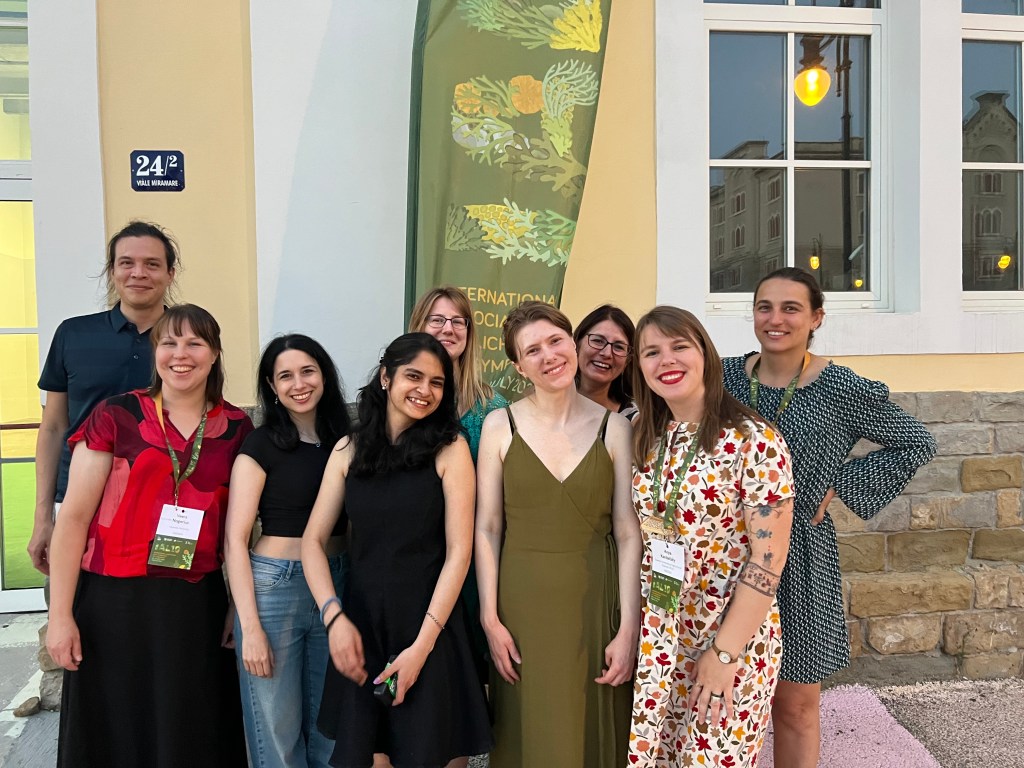
What a wonderful and inspirational time we had at the 10TH SYMPOSIUM of the International Association
for Lichenology! The conference was held in Trieste, Italy from 26 to 31 July 2026. With about 350 participants from more than 50 countries we got to hear a lot of cool research, present our own work, met old friends and made new friends!
Read more aboyt the conference here: https://ial10.units.it/
WE WELCOME VALENTINA PEONA IN OUR GROUP !
1st of July 2026
I am so thrilled to welcome Dr. Valentina Peona – the ‘Guru’ of Transposable Elements in our group!
Vale is joining us as a Carl Tryggers Postdoctoral Fellow! She will work on the challenging task in creating, annotating and investigating > 50 Trebouxiophyceae genomes!

VERONIKA ENDS HER ERASMUS TRAINSHIP
12th OF JUNE 2026
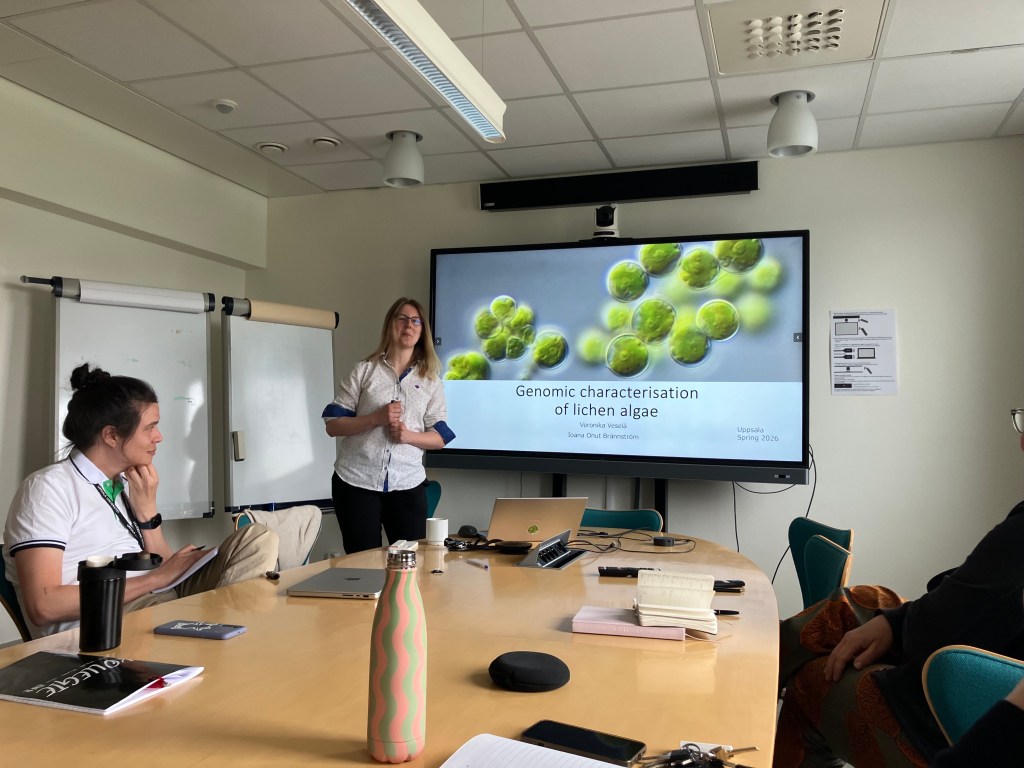
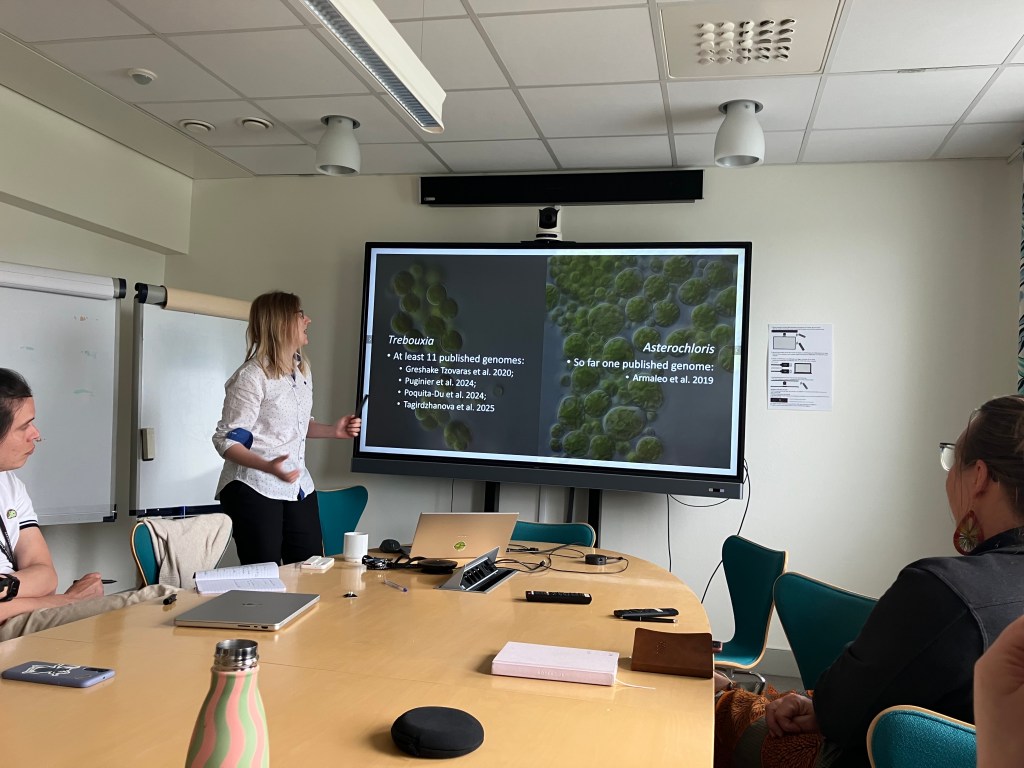
After 3 months on and Erasmus scholarship Veronika Veselá will go home to her host institution Charles University in Prague.
Veronika did such an amazing job in assembling 11 genomes of Trebouxia and Asterochlorix and creating high quality assemblies based on long reads. We will miss you Veronika! I hope you can come back one day!
AGNES, KARL & ESTER DEFENDED THEIR BACHELOR THESIS !!!
5th OF JUNE 2026
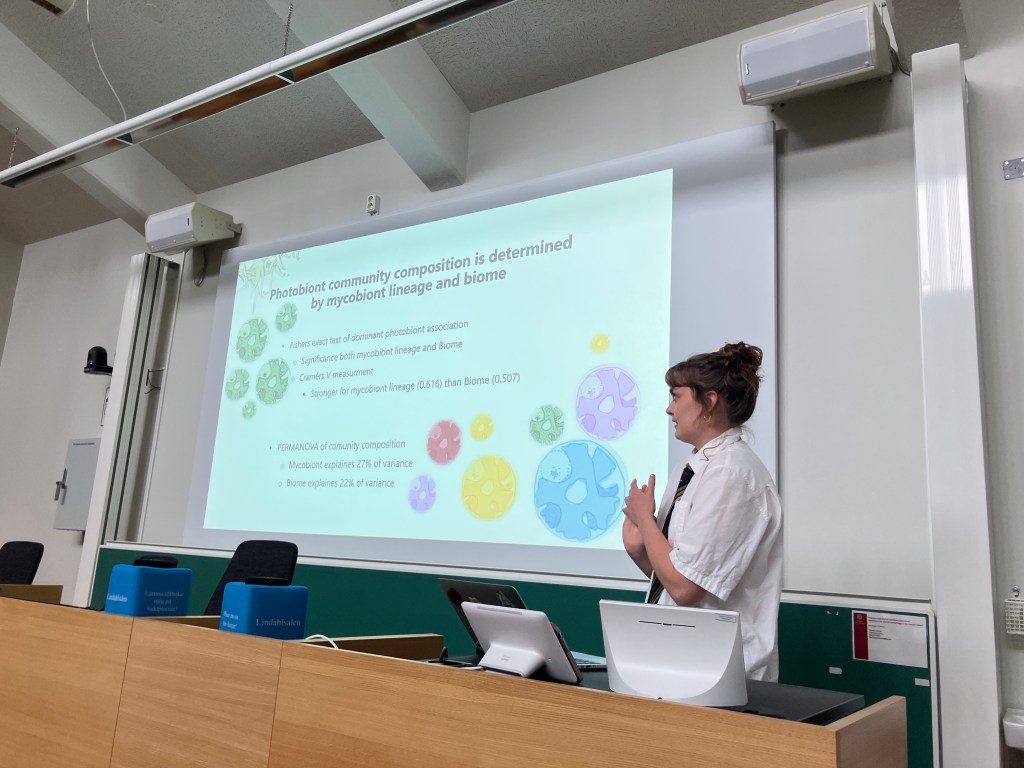
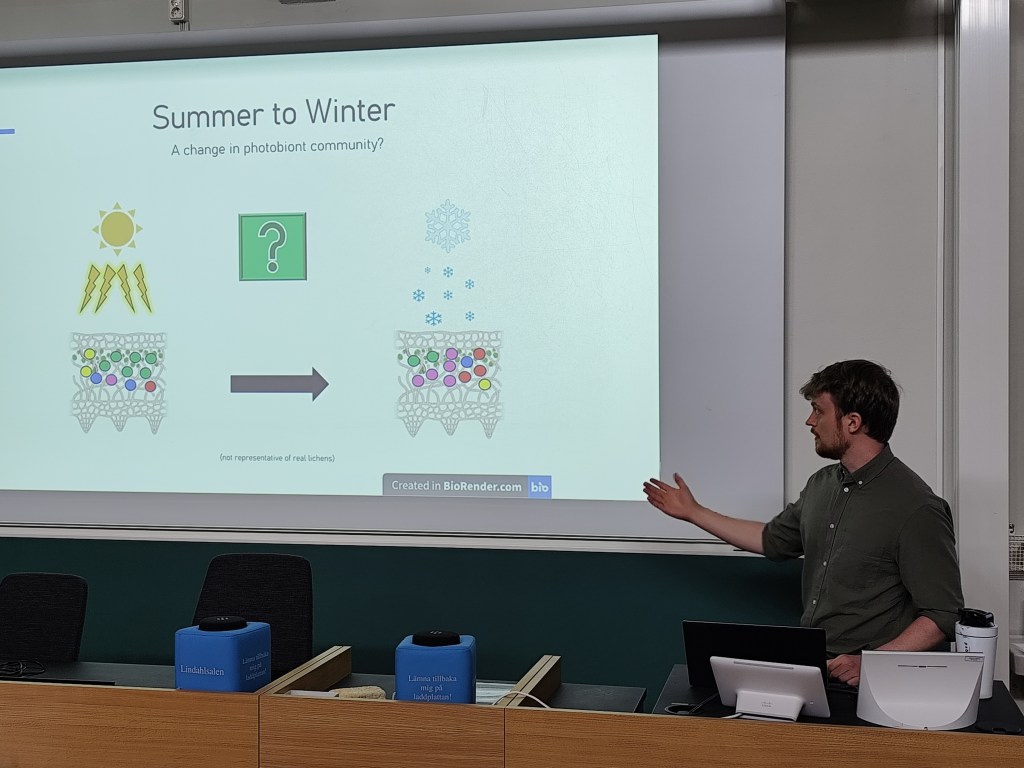
What a great day! After three months of hard work where they performed long read amplicon analyses, run DADA2 on Uppmax, killed and revived lichens, measure photosynthesis they finally made it. Three excellent bachelor thesis that in my opinion are more at the master level are ready to be published!
Congrats Trebouxia’s Angels!


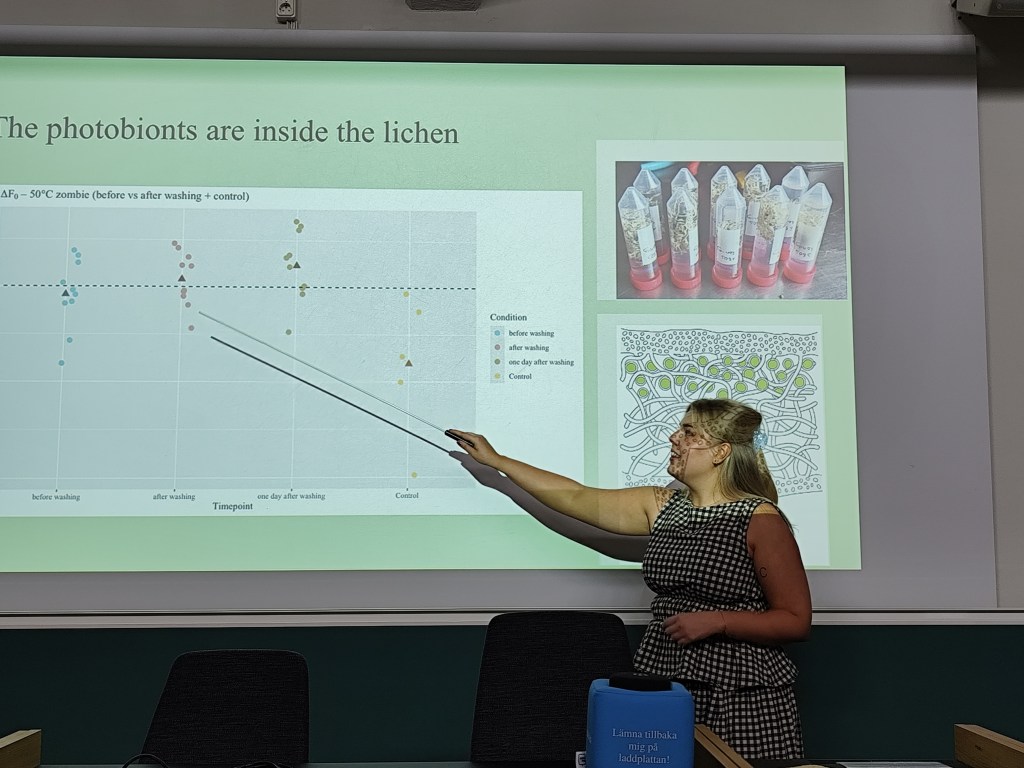
This month our group gain 4 new members!
MARCH 2026
We welcome Veronika Veselá from Pavel Škaloud’s lab. Veronika is a guest PhD student supported by an ERASMUS+ grant from Charles University in Prague! Veronika is interested to understand why the two photobiont genera Trebouxia and Asterochloris evolved different preferences for their fungal partners.
We also welcome three bachelor students: Ester Ward, Agnes Jämtjärn and Karl Angervall, which will do their bachelor thesis on different photobiont topics. Read more about the projects here.
 Lichen Photobionts Lab